


COMBINE BELTS
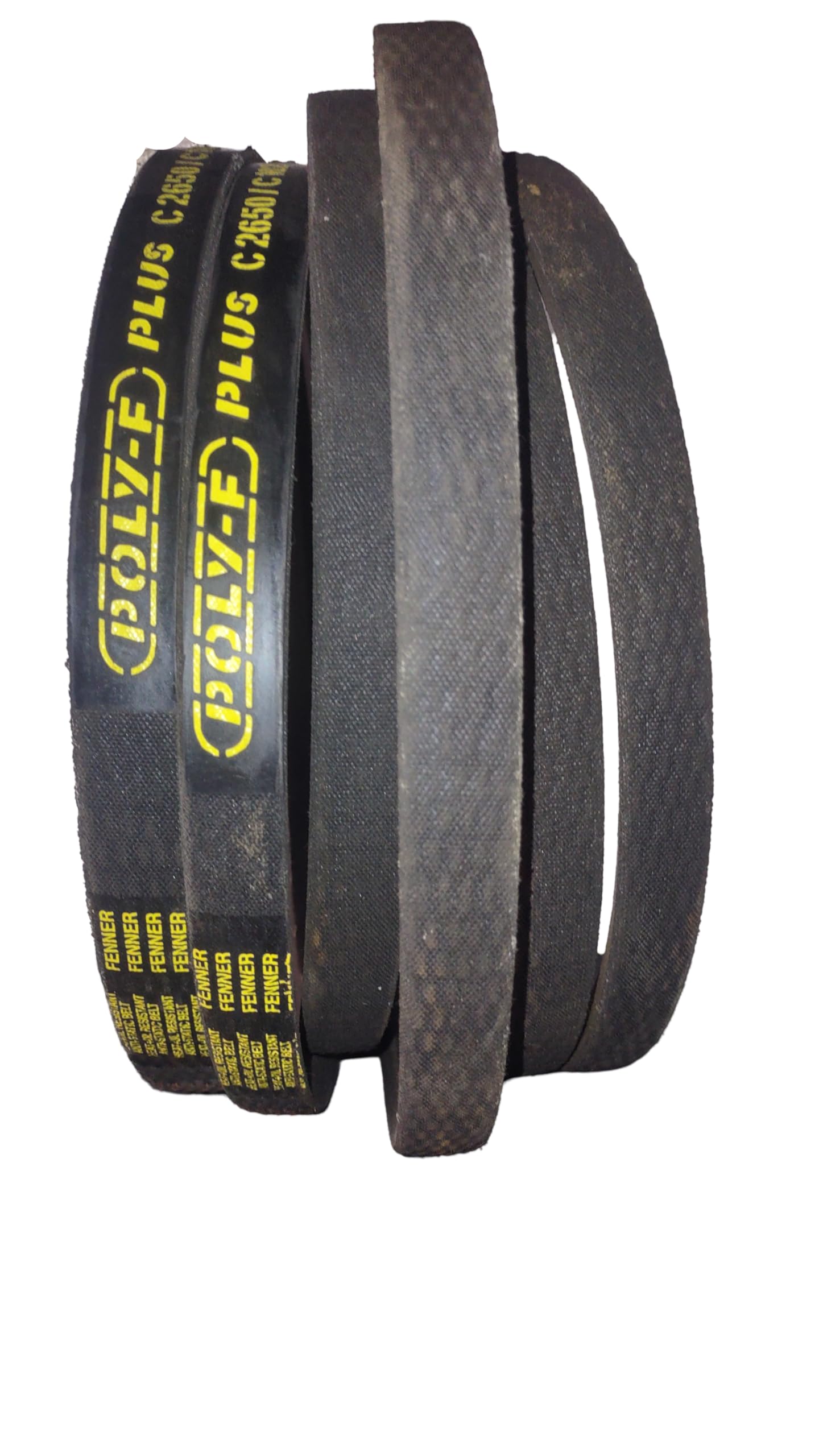
Combine BELTS
The term “combine belts” comes from their ability to merge the benefits of different belt designs. For instance, V-belts are known for their high friction and torque-carrying capability, which allows them to drive heavy loads without slipping, while flat belts provide smooth and quiet operation, suitable for high-speed shafts. By integrating these advantages, combine belts can transmit high torque efficiently while minimizing vibration and noise, which reduces wear on both the belt and the pulleys.
Material composition plays a critical role in their performance. Combine belts are usually made from high-quality rubber, polyurethane, or other synthetic polymers, which provide elasticity, resilience, and resistance to environmental factors. These belts are further reinforced with fibers like polyester, aramid, or Kevlar, which prevent stretching and elongation under load, maintain dimensional stability, and improve lifespan even under heat, friction, and heavy mechanical stress.